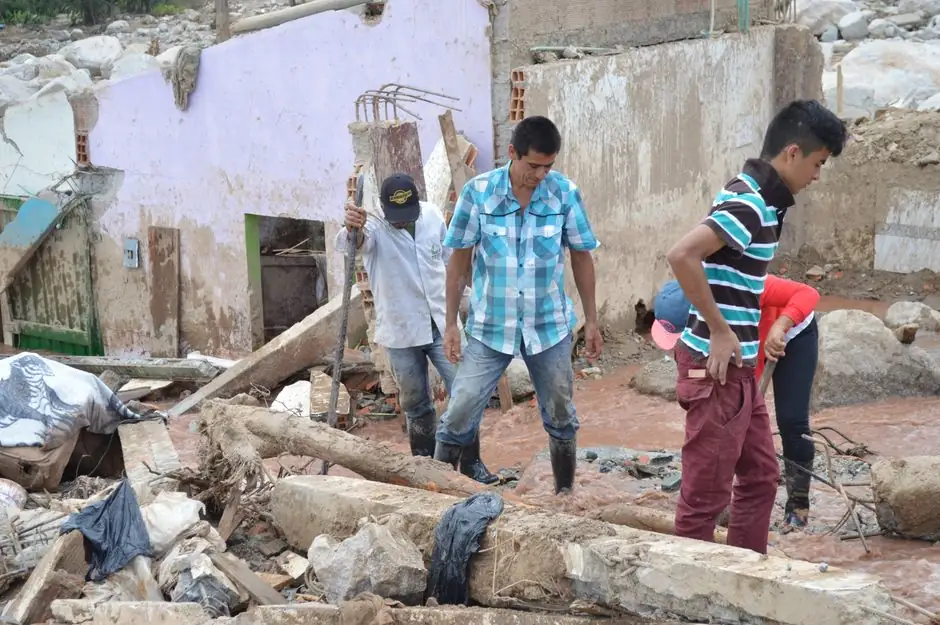
Preparing for biohazard cleanup after a flood involves assessing the situation and ensuring safety. Immediate actions can help prevent further damage and health risks.
Flooding often introduces hazardous materials, including sewage and chemicals, into your home. Proper biohazard cleanup is essential to restore safety and health in your living space.
Why is biohazard cleanup necessary after a flood?
Biohazard cleanup after a flood is crucial because it addresses potential health risks posed by contaminated water and materials. Floodwaters can carry pathogens, chemicals, and debris that may lead to serious health issues.
What to do immediately after a flood
After a flood, your first steps should include ensuring your safety and assessing the situation. Here's a quick guide:
- Turn off electricity and gas to prevent hazards.
- Wear protective gear such as gloves, masks, and boots.
- Document the damage with photos for insurance purposes.
Once you ensure safety, begin removing standing water if possible. This can help mitigate mold growth and further damage.
How to assess the damage safely
Assessing damage after flooding should be done carefully. Look for signs of structural damage, such as:
- Cracks in walls or foundations.
- Warped or buckled floors.
- Visible mold growth or musty odors.
In Fort Pierce, homes affected by flooding often require specialized services to handle hazardous materials safely. This is where biohazard cleanup fort pierce FL becomes essential.
What to include in your cleanup plan
A comprehensive cleanup plan should address the following:
- Identify hazardous materials that may be present.
- Outline steps for safe removal and disposal.
- Include timelines for each phase of the cleanup.
Consider enlisting professional help for tasks that may involve hazardous waste, such as sewage cleanup or mold remediation. For example, sewage cleanup fort pierce FL requires specialized training and equipment.
Common mistakes to avoid during cleanup
Many homeowners make mistakes during the cleanup process that can lead to further issues. Here are some common pitfalls:
- Not wearing appropriate protective gear.
- Overlooking hidden moisture, which can lead to mold.
- Attempting to handle hazardous materials without proper training.
These mistakes can jeopardize your health and prolong the cleanup process. Always prioritize safety and consider professional assistance.
When to call a professional
It's advisable to call a professional when you encounter significant biohazard risks. For example, if sewage is involved, the situation requires immediate attention from experts. Fort Pierce Biohazard Cleanup offers specialized services to handle these situations.
Frequently Asked Questions
1. How long does biohazard cleanup take after a flood? Cleanup duration varies based on the extent of the damage but typically ranges from a few days to several weeks.
2. What are the costs associated with biohazard cleanup? Costs can range from $1,000 to $10,000 or more, depending on the severity of contamination and the size of the area affected.
3. Can I handle biohazard cleanup myself? It's not recommended to handle biohazard cleanup without professional training, especially if hazardous materials are involved.
4. How can I prevent mold growth after a flood? Remove moisture quickly, ventilate the area, and consider using dehumidifiers to keep humidity levels low.
5. What should I do if I see mold? If you see mold, it's best to contact a professional for safe removal and remediation.